For a little while I tried and almost forgot about the role that my children might play in the fortunes of mankind. It's autumn, after-all, busy time of harvesting in our small gardens and gathering foods and herbs in the forest that we will need in coming winter. Hunters go out every day and stay out long. They bring killed prey, and we spend most of our days butchering it and curing meat and pelts. It's hard work, but it keeps me from the unwelcome thoughts about my family's future.
 At night we hear taiga. There is no real silence here. A noise of a startled bird or a deer, wind in the ancient trees - they surround our little community, they are the background of the normal current of life. Time to time, we hear wolves. Then Midori answers them with howls full of desire to belong, but, more often than not, she limps into our yard injured after meeting members of her species. Terrible wounds heal remarkably fast, though. In a day or so she begins to feel too closed in inside the house and we open door for her to go back into the forest. The village dogs can't stand a sight of her, but one look at the raised crest of stiff red and blue hair on her spine (she grew it over the last winter) sends them yipping and hiding under the bushes.
Tonight is too hot and muggy. The moment that I open the window, the pandemonium breaks out. Midori howls in the distance, but these are not her usual calls. She sounds urgent, almost barks at times! The dogs in our village and the Evenks' too take up the howling. Lights go on in the houses and yurts, people yell to each other.
In the morning, a party is sent to explore the reasons for last night's disturbance. They find an abandoned camp not a mile away from where we live. Straight lines in which the tents were pitched and the fires lit up, as well as the acrid smell of the ammo, tell them that there are soldiers wandering our woods.
Men in khaki uniforms walk into the village. They carry guns, tents and supplies. The Evenks meet them, but they are forced to stand down under the barrels of the guns pointed at them.
I go ahead of a small group of men with my hands raised in a gesture of peace and calm. The leader of the military comes towards me. He is a tall black man in his forties who introduces himself as Captain Sawanni. I ask about the reason for their presence in taiga. He just shrugs and says that, the less I know, the safer my people will be.
I don't argue with him, but invite him to my home. Amur and Dular are hanging behind the welcoming committee, their eyes as round as saucers.

Soldiers... They walked into my house and it immediately looked like somebody else's. Even though they made an effort to be polite, things still got messed up and broken. The floors were hopelessly muddied; a few men started to disrobe in the front yard to wash up after the long trek. I had to stop another from chasing after chickens. I will make supper to retain control over the house and the kitchen.
Captain Sawanni and I had to talk. He appropriated the table and spread maps and gadgets over it. I came in and stood silently, until he could afford to pay some attention for me.
"Maam, we are grateful for the roof over our heads, but you need to stay away from this room. I need to be able to work with my men here."
I simply informed Captain that there was a meal available outside in the yard and left.
I called my boys and gave them instructions. As the soldiers filed into the yard, I observed them from a kitchen's window. They were a mixed group: I recognized Russian and, similar to it, Croat languages; the Black men kept apart from others, they were from some African countries, as was their Captain. They didn't look like regular army, there was more watchfulness to them - they were, probably, a band of mercenaries used as a private force.
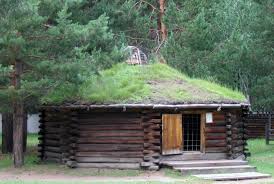 Amur and Dular began to bring out the stew to the men. They handed them the bowls and, in the Evenk fashion, swept their hands with their own in a gesture of hospitality. Some of our occupants smiled and ruffled their hair, some ignored them and quickly fell to eating.
The Captain came out into the yard, and Dular brought him his meal, also bowing and sweeping his hands with his own. Sawanni managed a grimace that passed for a smile, took a piece of our homemade bread in one huge paw and began to eat.
Boys slept in my room. Most of the house was taken over by the soldiers.
In the middle of the night I heard voices outside my window. I leaned to the wall so that they wouldn't hear me and listened in:
- "Beautiful country! What a shame!"
- "Yeah, there won't be much left around here after we are through!"
- "That family is nice too. I hate what we are about to do to them!"
- "Shh, the Captain will hear you. What can we do, anyway? Orders are orders!"
- "I have my own mind! Orders or not - I don't have to like this mission!"
They extinguished their cigarettes and went in. I looked outside: another man stood by the barn, smoking and listening.
I put some clothes on and went outside. Captain Sawanni was standing by the barn, a cigarette's point flaring and lighting his features for brief moments.
- "You are not asleep?" - he asked.
- "Can you blame me?"
- "No, you seem to be amazingly calm, though, considering the circumstances!"
- "There's no point in being excitable. I am responsible for this community, after all."
- "How did you happen to be here? I can tell that you are from another world."
 I told Captain that my ancestors settled here many years ago and mixed with the Evenks. Then I asked him, where he was from. He looked at me for some minutes without answering, as if some words were too difficult to push out. Then he told me of how many years ago he was taken by the militants from his village in Sudan when he was just a teenager. He was beaten and abused in other ways and made fight and do terrible things to his own countrymen. When he could get away, there was no place for him to go, except to become a mercenary.
- "And now you are going to destroy my family?"
- "Orders are orders!"
 He left. I made my way to the Evenks's yurts. The chief and the shaman were talking to the elders in one of them. They plied me with questions that I was afraid to answer. There was no certainty in my mind that we will be alive to see another week.
- "They are carrying poison with them! My men saw the containers with those bad pictures that you showed us before. What are we going to do?"
- "Don't attempt anything yet. I will talk to the Captain and try to assess the danger. Stay away from the soldiers!"
Next morning brought trouble. As the mercenaries washed up and prepared for the day, Midori sneaked into our yard. A neighbor's dog began barking at her and attracted attention of our unwanted visitors. I ran to the sound of the voices raised in alarm and weapons being readied to fire. Midori, the red streaks under her eyes flushing angrily and the crest of red and blue upthrust and rattling on her green back, was snarling in the corner by the barn. Amur was trying to cover her with his body and shouting at the soldiers. His brother was also there, in front of the guns, sobbing and begging the men to stop.
Captain's voice cut through the noise: "Halt! Lower your weapons! Then to me: "Maam, what kind of animal is this?! Is it dangerous? I mean, I can see that it's dangerous, but will it attack us?!"
- "Not if you stop attacking her! She was raised by my sons, we trust her. Please, don't harm her!"
Sawanni glowered at me, then ordered his men to stand down. Dular ran up and hugged him around the middle. I saw a tremendous internal struggle on the older man's face, as he looked down at the boy. Then he freed himself and strode away.
To Be Continued...
Copyright protected
I simply informed Captain that there was a meal available outside in the yard and left.
I called my boys and gave them instructions. As the soldiers filed into the yard, I observed them from a kitchen's window. They were a mixed group: I recognized Russian and, similar to it, Croat languages; the Black men kept apart from others, they were from some African countries, as was their Captain. They didn't look like regular army, there was more watchfulness to them - they were, probably, a band of mercenaries used as a private force.
The Captain came out into the yard, and Dular brought him his meal, also bowing and sweeping his hands with his own. Sawanni managed a grimace that passed for a smile, took a piece of our homemade bread in one huge paw and began to eat.
Boys slept in my room. Most of the house was taken over by the soldiers.
In the middle of the night I heard voices outside my window. I leaned to the wall so that they wouldn't hear me and listened in:
- "Beautiful country! What a shame!"
- "Yeah, there won't be much left around here after we are through!"
- "That family is nice too. I hate what we are about to do to them!"
- "Shh, the Captain will hear you. What can we do, anyway? Orders are orders!"
- "I have my own mind! Orders or not - I don't have to like this mission!"
They extinguished their cigarettes and went in. I looked outside: another man stood by the barn, smoking and listening.
I put some clothes on and went outside. Captain Sawanni was standing by the barn, a cigarette's point flaring and lighting his features for brief moments.
- "You are not asleep?" - he asked.
- "Can you blame me?"
- "No, you seem to be amazingly calm, though, considering the circumstances!"
- "There's no point in being excitable. I am responsible for this community, after all."
- "How did you happen to be here? I can tell that you are from another world."
I told Captain that my ancestors settled here many years ago and mixed with the Evenks. Then I asked him, where he was from. He looked at me for some minutes without answering, as if some words were too difficult to push out. Then he told me of how many years ago he was taken by the militants from his village in Sudan when he was just a teenager. He was beaten and abused in other ways and made fight and do terrible things to his own countrymen. When he could get away, there was no place for him to go, except to become a mercenary. - "And now you are going to destroy my family?"
- "Orders are orders!"
- "They are carrying poison with them! My men saw the containers with those bad pictures that you showed us before. What are we going to do?"
- "Don't attempt anything yet. I will talk to the Captain and try to assess the danger. Stay away from the soldiers!"
Next morning brought trouble. As the mercenaries washed up and prepared for the day, Midori sneaked into our yard. A neighbor's dog began barking at her and attracted attention of our unwanted visitors. I ran to the sound of the voices raised in alarm and weapons being readied to fire. Midori, the red streaks under her eyes flushing angrily and the crest of red and blue upthrust and rattling on her green back, was snarling in the corner by the barn. Amur was trying to cover her with his body and shouting at the soldiers. His brother was also there, in front of the guns, sobbing and begging the men to stop.
Captain's voice cut through the noise: "Halt! Lower your weapons! Then to me: "Maam, what kind of animal is this?! Is it dangerous? I mean, I can see that it's dangerous, but will it attack us?!"
- "Not if you stop attacking her! She was raised by my sons, we trust her. Please, don't harm her!"
Sawanni glowered at me, then ordered his men to stand down. Dular ran up and hugged him around the middle. I saw a tremendous internal struggle on the older man's face, as he looked down at the boy. Then he freed himself and strode away.
To Be Continued...
Copyright protected